Watch Big Banks Set Up Strong Earnings Week
The Q2 print for the megabanks is being framed as vindication. That's the wrong read. A meaningful slice of the projected trading surge is mechanical — a low base effect from an unusually volatile Q1, not a clean structural re-acceleration.
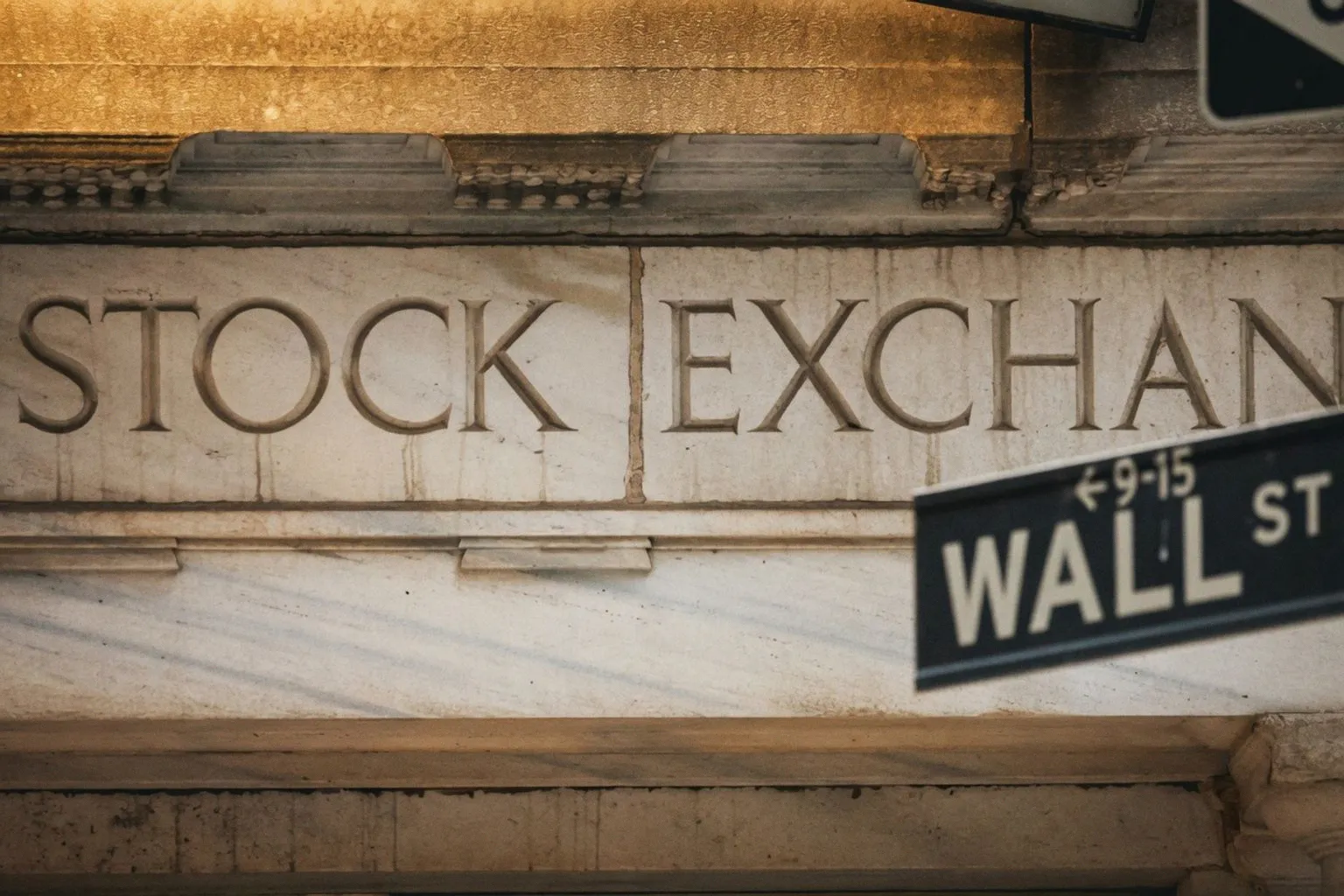
The trading line: equities carry the print, comps do the rest
Five of the six largest U.S. lenders — JPMorgan, Bank of America, Citigroup, Wells Fargo and Goldman Sachs — report July 14, with Morgan Stanley following on July 15. Coalition Greenwich's data has global market revenue running at least 15% year-on-year, with equities positioned as the primary growth engine. Goldman Sachs and Morgan Stanley are the structural beneficiaries: both had material roles in the approximately $86 billion SpaceX IPO, splitting roughly $500 million in fees across the banking syndicate. That single transaction distorts the quarter. Strip it out, and the "blockbuster" framing collapses into a competent, not spectacular, equities print.
The harder comp problem sits in macro. Q1 was a volatility outlier — the initial Iran war shock and the subsequent inflation and rates repricing drove client activity levels that are unlikely to repeat. Per Morningstar's Sean Dunlop, Q2 trading revenue, while still positive, is expected to decelerate sequentially. Sequential deceleration is not the same as YoY strength. Allocators reading only the headline beat risk treating a mid-cycle print as an inflection.
Investment banking: wallet expansion, share concentration
Global investment banking revenue closed the first half at $61.4 billion, a 24% year-on-year jump per Dealogic. The wallet is widening. Inside that, share remains concentrated: JPMorgan retains the global IB revenue lead, Goldman Sachs owns M&A advisory. Cerebras' $6.4 billion IPO and Alphabet's $85 billion share sale anchor the Q2 advisory and equity-underwriting lines.
The relevant question for allocators is not whether the wallet grows, but whether it normalizes above the 2022–2024 trough. If H2 issuance holds anywhere near the H1 pace, the IB complex has structurally re-rated. If it mean-reverts toward the prior cycle baseline, the YoY comparisons in Q3 turn into the comp unwind that Q1 already proved painful on the trading side.
Credit, NIM, and the durability test
The forward guidance section is where the print earns its alpha. Net interest margin expansion plus accelerating commercial and industrial loan growth — flagged in the Q2 Fed data — supports the bullish thesis, but only if credit metrics hold. Morningstar's Austin Taggart is explicit: credit metrics and broader loan demand are the pillars underwriting any continued bank-stock rally into H2. Jefferies' David Chiaverini notes management teams framing the macro as a "new normal" — typically a euphemism for stalling underwriting standards under stable-rate optimism.
What to watch
Hedge fund desks should treat the prints as a bifurcated signal. The trading and IB lines are partially a Q1 base effect plus a fee grab; the credit and NIM commentary is the real forward indicator. If guidance softens on loan demand or non-performing formation trends even modestly, the second-derivative re-rating — not the headline beat — is the trade. If both come clean, the wallet expansion is durable and the equities-heavy complex carries through Q3.
Bottom read: viable, but only at the margin. The print will print well. Whether the underlying franchise has structurally improved or merely cycled off a stress trough determines if the stock reaction extends beyond a few sessions.