Capital markets show resilience despite emerging structural risks
£100bn in hedge fund gilt repo borrowing. Over 90% concentrated in a small cohort of funds. Zero or near-zero haircuts, very short tenors.
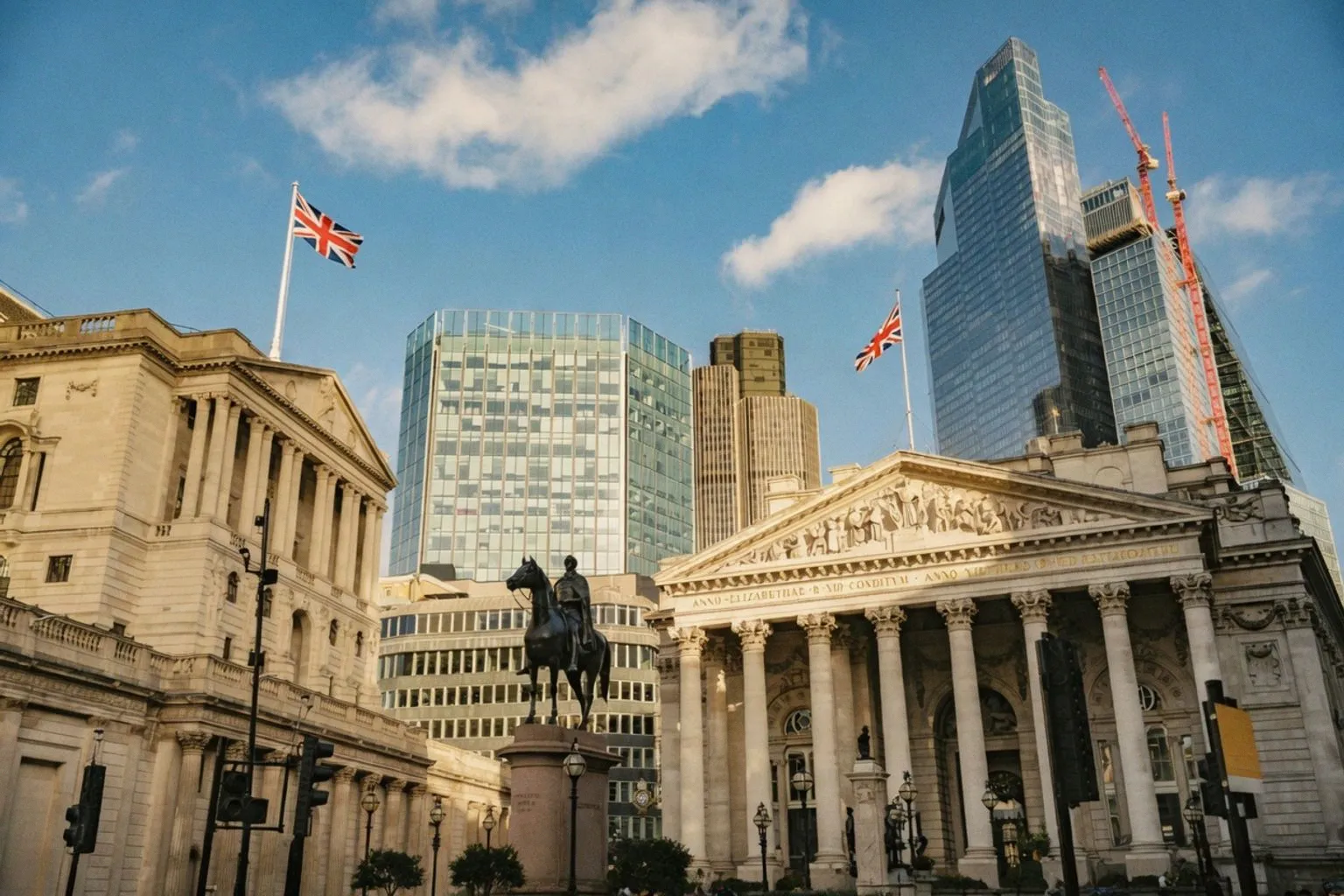
Mechanism under review
The BoE is continuing consultation through 2026 on gilt repo resilience, with a comprehensive policy update — including potential reforms — targeted for early 2027. The toolkit under consideration: enhanced central clearing for gilt repo and minimum haircuts on the non-centrally cleared segment. No final decision has been taken; further detail is expected later this month.
Per the FPC's December 2025 report, net hedge fund borrowing in gilt repo sits at almost £100bn. Concentration is the binding constraint — a small cohort holds over 90% of net borrowing, transacted at near-zero collateral haircuts and very short maturities. Short-duration, high-turnover leverage. The unwind risk is mechanical, not discretionary.
Cross-market exposure
The FPC's concern extends well beyond the gilt book. Some of the most leveraged gilt players carry large repo positions in US Treasury and European government bond markets. A disorderly unwind in one venue transmits directly into the next. Post-Middle East conflict onset, aggregated net gilt repo borrowing fell 21% — £19bn — versus pre-conflict levels. The market de-risked itself before any regulator intervened.
Parallel rails
Bloomberg frames the broader backdrop as capital markets showing resilience despite emerging structural risks. Separately, MAS and CSRC are deepening cross-border ties, and the ASIFMA survey signals elevated confidence in Asia-Pacific capital markets with intensifying competition for allocation. Read the three signals together: institutional capital is being routed into alternative infrastructure while the BoE tightens the gilt rail.
What to track next: specific haircut thresholds in the BoE's July update; the funding-cost counter-argument already flagged in the BoE's September 2025 feedback paper; and any volume migration into off-rail instruments, offshore sovereign repos, or synthetic structures once the rule parameters firm up.